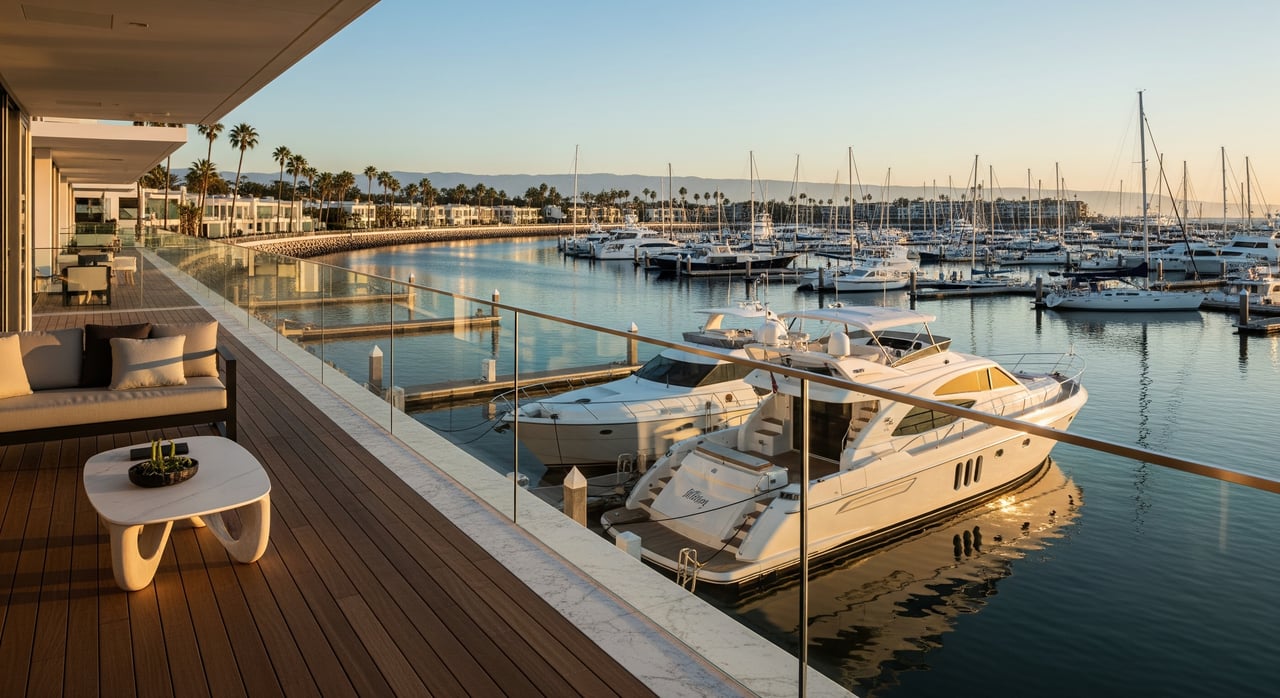
Thinking about buying in Marina del Rey? If you want front-row access to the water, resort-style amenities, and a lock-and-leave lifestyle, this harbor community can be a standout choice. You also face a unique set of decisions you will not encounter inland, from HOA structures and boat slip rights to flood, earthquake, and insurance considerations. In this guide, you will learn how the market works, what drives value, and the due diligence steps that protect you before you make an offer. Let’s dive in.
Why Marina del Rey appeals
Location and lifestyle
Marina del Rey sits on Los Angeles County’s coast, centered on a large man-made harbor with docks, canals, and residential towers around the basins. It is an unincorporated area of Los Angeles County, and the Los Angeles County Department of Beaches and Harbors manages the harbor, boat slips, and many waterfront facilities.
You are minutes from LAX by car and close to Venice, Playa Vista, Playa del Rey, and Santa Monica. The marina’s bike paths, waterfront promenades, and boating scene add a daily rhythm that blends recreation with convenience. Expect a mix of quiet weekday energy and more activity on weekends and in summer.
Housing at a glance
Most luxury options here are condominiums, including high-rise towers with sweeping marina or channel views and mid-rise buildings along canals and inner basins. Single-family homes are limited, mainly on the Marina Peninsula and adjacent pockets. Inventory is tight compared with many inland neighborhoods, which helps support prices for desirable waterfront units but can limit your choices at any given moment.
What drives value
View, water, and access
Waterfront orientation and unobstructed views command a premium. Units that face open water or main channels, or that sit higher in a tower, often trade at higher prices per square foot. Proximity to on-site docks and the ability to secure a boat slip can further enhance value.
Building amenities and services
Many luxury buildings feature staffed lobbies, fitness centers, pools, and waterfront lounges. In some associations, HOA dues also cover building insurance and common utilities. The level of service is part of the appeal, but it comes with carrying costs you should price in upfront.
Scarcity of single-family homes
Detached homes and townhouses near the beach and along the Marina Peninsula are limited. That scarcity supports values and can create competition when standout listings hit the market. If you prefer a home rather than a condo, be ready for fewer options and faster decision timelines.
Boat slips and marina realities
Slip status varies
In Marina del Rey, boat slip arrangements are not one-size-fits-all. Many slips are administered through the Los Angeles County Department of Beaches and Harbors rather than privately owned. Some condominium communities provide assigned slips or on-site docks as part of the common interest community, while others require a separate lease or membership.
Do not assume that a unit marketed with “includes slip” conveys fee simple ownership. It could be a lease assignment with specific terms. Confirm whether the slip is owned, leased, or subject to a permit, and whether it transfers on sale.
What to verify
- Exact legal status of any slip and the term, fees, and renewal rules
- Transferability on resale and any waitlist conditions
- HOA and County rules governing mooring and slip usage
- Any shared-dock maintenance obligations or special assessments
A clear slip plan adds confidence and can be a tie-breaker when comparing listings.
HOA dues, assessments, and true monthly cost
Understand the HOA’s financial health
Your HOA packet is essential. Review the Covenants, Conditions and Restrictions, bylaws, financial statements, reserve study, building insurance, recent board minutes, and any litigation disclosures. Pay attention to reserve funding levels, a history of special assessments, proposed capital projects, and enforcement practices.
High-rise associations often cover building insurance, staffing, and common utilities, which helps explain higher dues. Make sure those services align with your lifestyle, and run the numbers on total monthly carrying cost.
Rental and use restrictions
Rental demand exists, but each HOA sets its own rules. Short-term rental policies vary and can be restrictive. If rental flexibility matters to you, confirm the current rules in writing before you proceed.
Insurance, hazards, and building condition
Flood exposure and sea-level considerations
Marina del Rey sits at low elevation and is exposed to coastal tides and storms. Check FEMA Flood Insurance Rate Maps for the specific address, note the Base Flood Elevation, and confirm whether your lender will require flood insurance. Standard homeowners policies typically exclude flood, so you may need NFIP coverage or a private policy. Premiums can be higher for waterfront properties, so get quotes early.
Sea-level rise and shoreline resilience are ongoing planning topics in Los Angeles County. Ask about any adaptation projects, harbor maintenance plans, or potential future assessments that could affect your property.
Seismic risk and structural diligence
Earthquake risk is part of living in Los Angeles County. For multi-story buildings, request records on seismic upgrades, structural reports, balcony and façade maintenance, elevator service histories, and any repairs related to water intrusion or corrosion. Coastal buildings endure moisture and salt air, which can affect mechanical systems and building envelopes.
Insurance checklist
- HOA master policy type and coverage scope
- Unit owner policy requirements for interiors and personal property
- Flood insurance needs based on FEMA maps
- Earthquake insurance options and deductibles
- Umbrella liability if you plan to use slips or engage in water recreation
Financing luxury condos
Jumbo loans and project approvals
High-end waterfront units often require jumbo financing or cash, depending on valuation and loan-to-value thresholds. Some lenders require condominium project approvals under Fannie Mae or Freddie Mac guidelines or their own overlays. Confirm your lender’s approach early and verify that the building’s insurance and management meet lender standards.
Close with confidence
A proactive pre-approval and a lender familiar with Marina del Rey condos can prevent surprises late in escrow. Your agent should coordinate with the HOA manager to provide any documents underwriter teams will request.
Taxes, transfer costs, and title
Property taxes and assessments
California property taxes follow Proposition 13 principles, with assessed value based on your purchase price. Be prepared for county supplemental assessments after closing. Some developments may have special assessments or Community Facilities District obligations, so review the preliminary title report and current tax bill for the unit.
Transfer taxes and recording
Because Marina del Rey is unincorporated, county transfer tax rules apply rather than a city transfer tax. Your escrow and title team can confirm exact amounts and any documentary transfer tax required at closing.
Noise, traffic, and day-to-day livability
Seasonal rhythm and tower orientation
The waterfront hosts events and recreation that can increase activity on weekends and in summer. Tower orientation, glazing quality, and floor height influence sound levels inside your residence. Ask about event calendars and any known building-specific sound mitigation.
Commuting and airport access
Lincoln Boulevard is the primary north–south corridor, with freeway access to I-405 and I-10 via surface streets. LAX is nearby, which is convenient for travel but can introduce flight path considerations in certain locations. Tour at different times of day to assess commute patterns and ambient noise.
Local services, schools, and amenities
Parks, dining, and recreation
Burton Chace Park, the marina promenades, yacht clubs, and waterfront restaurants shape the local lifestyle. You will find boat rentals, sailing schools, and fitness options on or near the water. Nearby Venice and Santa Monica expand your shopping, cultural, and dining choices.
Schools and public services
School district assignments can vary by address, with portions of Marina del Rey under Los Angeles Unified School District or neighboring districts. Verify zoning for a specific property. Law enforcement is provided by the Los Angeles County Sheriff’s Department, with county fire services and nearby hospitals in West Los Angeles and Santa Monica.
Transit and bike paths
Public transit is served by bus operators in the region. There is no direct heavy or light rail station within Marina del Rey. The beach and marina bike paths are major assets for daily movement and recreation.
Coastal and regulatory context
Coastal zone permits and harbor work
Marina del Rey sits within the coastal zone. Certain property modifications, dock repairs, bulkhead work, or harbor changes may require permits from Los Angeles County and the California Coastal Commission. If you plan to alter docks or waterfront structures, confirm permit pathways before you close.
Environmental history and disclosures
The marina was developed using dredged materials and has undergone environmental management projects over time. Review seller disclosures and any known environmental reports, and ask your agent and escrow to flag relevant items in the preliminary title package.
Buyer due diligence checklist
Use this list to organize your pre-offer and escrow steps:
Legal description: Confirm what is included in the sale, such as parking, storage, and any slip rights.
HOA documents: CC&Rs, bylaws, rules, financials, reserve study, building insurance, 12 to 24 months of meeting minutes, and any litigation disclosures.
HOA risk indicators: Reserve funding levels, pending or recent special assessments, planned capital projects, and enforcement practices.
Rental and occupancy: Short-term rental restrictions, minimum lease terms, owner-occupancy ratios if relevant to financing.
Slip status: Ownership vs. lease, transfer rules, term length, fees, waitlist details, and County documentation through the Department of Beaches and Harbors.
Hazard mapping: FEMA flood zone, Base Flood Elevation, any past flood or water intrusion claims, and seismic considerations.
Insurance quotes: Homeowner, flood, earthquake, and umbrella policies to estimate true monthly costs.
Building condition: Structural or engineer review, waterproofing and terrace condition, elevator service records, HVAC and plumbing checks for saltwater corrosion, and wood-destroying pest inspection.
Title and tax: Preliminary title report, easements including any public access or utility easements, county tax rates, and any special assessments.
Financing: Lender pre-approval, condo project approval status, and confirmation that HOA management and the master policy meet lender requirements.
Work with a trusted advocate
Buying in Marina del Rey is a lifestyle choice and an investment decision. The right unit balances view, access, amenities, and risk management. With limited inventory, it helps to scout both on-market and discreet opportunities while aligning early on financing and insurance.
You deserve a process that is private, thorough, and tailored to your goals. If you want an advisor who brings an investor’s eye to HOA and slip structures, coordinates specialist inspections, and navigates coastal and County nuances with discretion, connect with Carter Andrews for a confidential consultation.
FAQs
What should first-time Marina del Rey condo buyers review before making an offer?
- Request the full HOA packet, confirm slip status, check FEMA flood maps, obtain insurance quotes, and line up lender approval for the specific condo project.
How do boat slips work when buying a Marina del Rey residence?
- Slips can be owned, leased through Los Angeles County, or assigned by an HOA. Verify the legal status, transfer rules, term, fees, and any waitlists with the HOA and County.
Are HOA dues higher in luxury waterfront towers?
- Often yes. Dues may cover building insurance, staffing, and amenities. Review financials, the reserve study, and recent minutes to understand current and future costs.
Is flood insurance required for Marina del Rey properties?
- Lenders require flood insurance if a property lies in a FEMA Special Flood Hazard Area. Even outside mapped zones, consider quotes due to waterfront exposure.
What are common noise or traffic tradeoffs near the marina?
- Activity can increase on weekends and in summer. Tower orientation, glazing quality, and location near Lincoln Boulevard influence sound and commute patterns.
Which agencies regulate the harbor and coastal modifications?
- The Los Angeles County Department of Beaches and Harbors manages marina operations, while the California Coastal Commission and County planning departments oversee coastal permits.